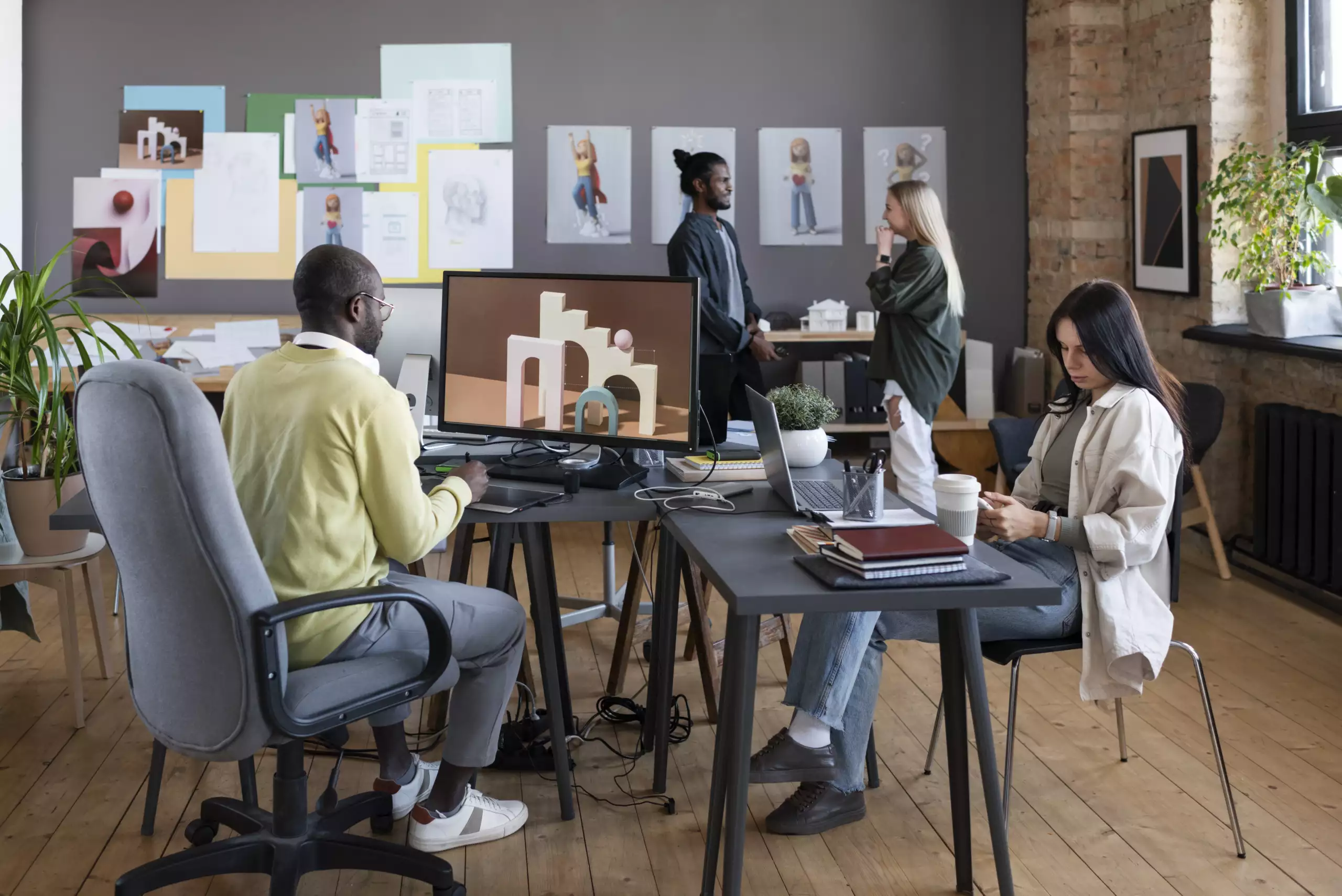

Walk into a coworking space on any given day, and you’ll notice something remarkable. A designer is sketching campaign ideas near a founder preparing for an investor call. A freelancer chats with a consultant over coffee, while a corporate team brainstorms in a meeting room next door. Different industries, roles, and backgrounds share the same roof, yet the space is cohesive.
This everyday mix is what makes coworking spaces and diversity inseparable. The design and culture of these environments naturally bring people together. It’s the kind of community that grows through shared tables, open lounges, and conversations that might never have happened in traditional offices.
Shared Zones as Spaces for Connection
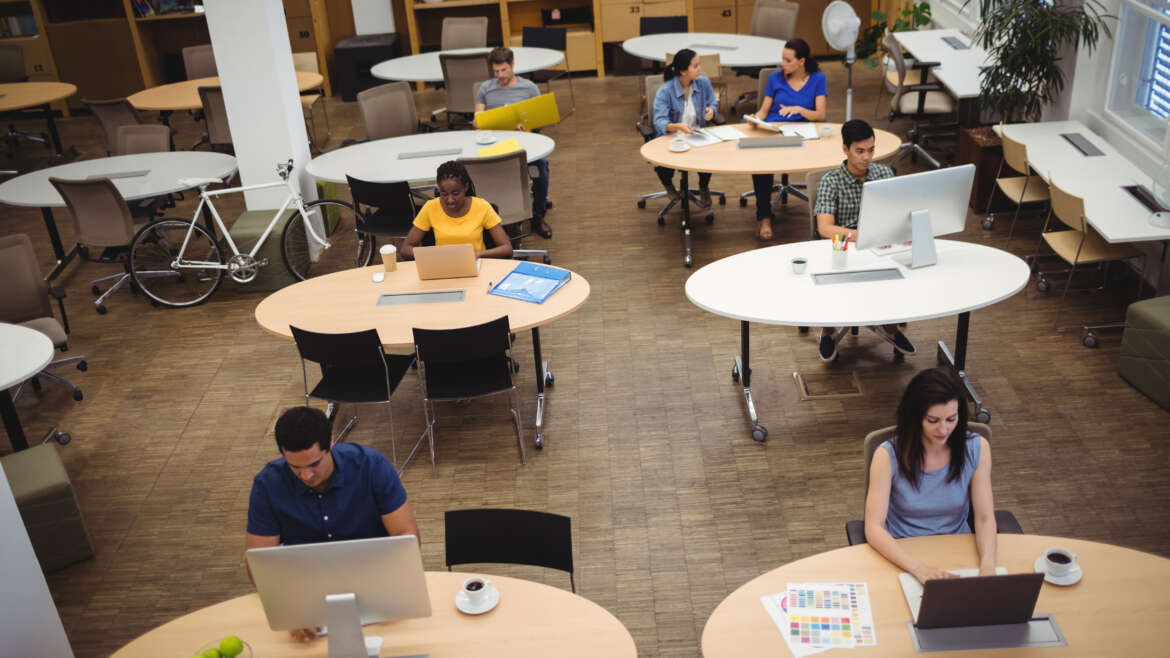
Design plays a significant role in coworking spaces and inclusivity. Lounges and breakout zones encourage people to meet outside of formal settings. These spaces have no rigid boundaries, which means conversations begin easily and connections are natural.
For many professionals, especially those entering new industries or cities, this sense of openness reduces the intimidation often felt in closed corporate environments. It allows them to participate in conversations without formal introduction or hierarchical approval.
Community as a Platform
Physical design is only one part of inclusion; culture completes the picture. Many inclusive coworking spaces create community-led initiatives that celebrate voices and experiences that may otherwise go unheard.
Workshops on gender equity, LGBTQ+ awareness sessions, or networking circles for women entrepreneurs are common examples. These events build safe spaces where people can share, listen, and grow together.
Such platforms create belonging and trust, reinforcing the idea that coworking is about shared culture along with shared infrastructure.
A Natural Meeting Point for Different Worlds
One of the most powerful aspects of diversity in shared workspaces is how it happens organically. Instead of being confined to the boundaries of a single company or industry, professionals in coworking hubs are surrounded by a mix of freelancers, startups, and enterprise teams.
This mix creates opportunities that rarely emerge in traditional offices. The small, everyday interactions help broaden perspectives and create connections that might never have existed in siloed environments.
Flexibility That Welcomes All Teams
Inclusivity is also about scale. Traditional offices often separate teams by size, but startups cannot usually afford large corporate campuses, while bigger enterprises avoid smaller spaces. In contrast, inclusive coworking spaces adapt to the needs of both.
Customisable office setups allow two-person startups and 200-person divisions to work side by side without hierarchy. The availability of private offices, shared desks, and hybrid layouts makes it possible for everyone to find their fit.
By leveling the playing field, coworking removes invisible barriers between different types of organisations and creates a shared culture of belonging.
Supporting Neurodiverse Professionals
In conversations about inclusivity, neurodiversity is increasingly recognised as essential. Professionals with ADHD, autism, or anxiety often require specific environments to perform at their best. Coworking responds with variety, quiet zones, soundproof booths, and controlled environments alongside dynamic, collaborative areas.
This variety allows neurodiverse professionals to choose the setting that supports their focus and creativity. Instead of forcing one standard model of productivity, coworking spaces and diversity acknowledge that people thrive in different conditions. This choice, simple as it may seem, can make the difference between surviving a workday and excelling in it.
Moving Beyond Exclusivity
One of the subtler benefits of coworking spaces and inclusivity is how they replace exclusivity with openness. Corporate campuses often feel closed off, accessible only to employees or invited guests. In contrast, shared work environments are open by nature.
For professionals who might feel isolated, freelancers, independent consultants, or members of marginalised groups, this openness removes the barriers of entry. It signals that everyone is welcome and that the workspace belongs to no single entity but to the community at large.
Variety That Reflects Different Needs
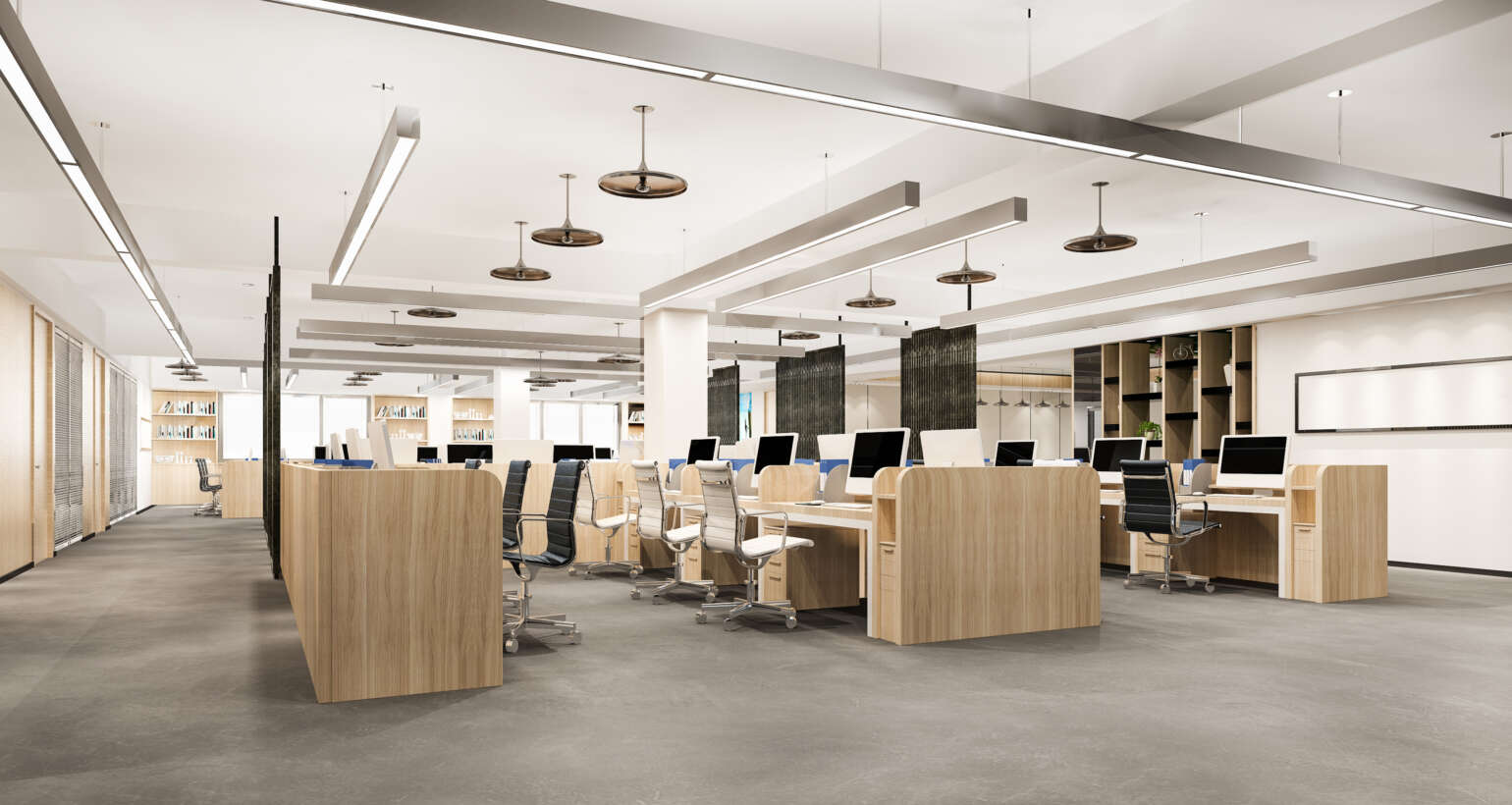
Inclusion ultimately comes down to choice. Coworking ensures that professionals are not forced into a one-size-fits-all environment by offering a mix of private offices, shared desks, open lounges, and quiet nooks.
A coder who needs silence finds it in a booth. A creative team planning a campaign gathers in a lounge. A solo entrepreneur networks with others in a communal kitchen. This flexibility mirrors the diversity of the people inside the space, showing how diversity in shared workspaces is supported through design as much as through culture.
Building an Inclusive Work Culture
The cumulative effect of all these elements is clear: coworking creates an inclusive work culture in coworking environments that people want to be a part of. It shows up in the way people greet each other, the ease of starting conversations, and the freedom to work in ways that feel authentic.
Some hubs go further by making inclusivity part of their identity. LGBTQ+ friendly coworking spaces, for example, actively signal that they are safe and supportive environments for all. These choices demonstrate that inclusivity is not incidental; it is intentional, designed into both the space and the culture.
Diversity as a Strength
The strength of coworking has always been its people. Bringing together professionals from every industry, role, and background creates richer, more connected, and more innovative communities. Coworking spaces and diversity are inseparable because inclusivity is built into the very structure of how these environments operate.
At Dextrus, we believe that the future of work is inclusive. Our spaces are designed to welcome, support, and inspire everyone through thoughtful interiors, varied work zones, and community initiatives that give all voices a platform. For those seeking coworking spaces for all communities, we provide an environment where focus and connection can thrive side by side.